
Whole-House Repiping in Gardena, CA
When old supply pipes inside a house keep leaking or choking the water pressure, replacing them can be more practical than chasing one repair after another.
Free to call. Gardena Water Line Pros is a referral service that connects you with an independent local provider. How it works.
What is repiping?
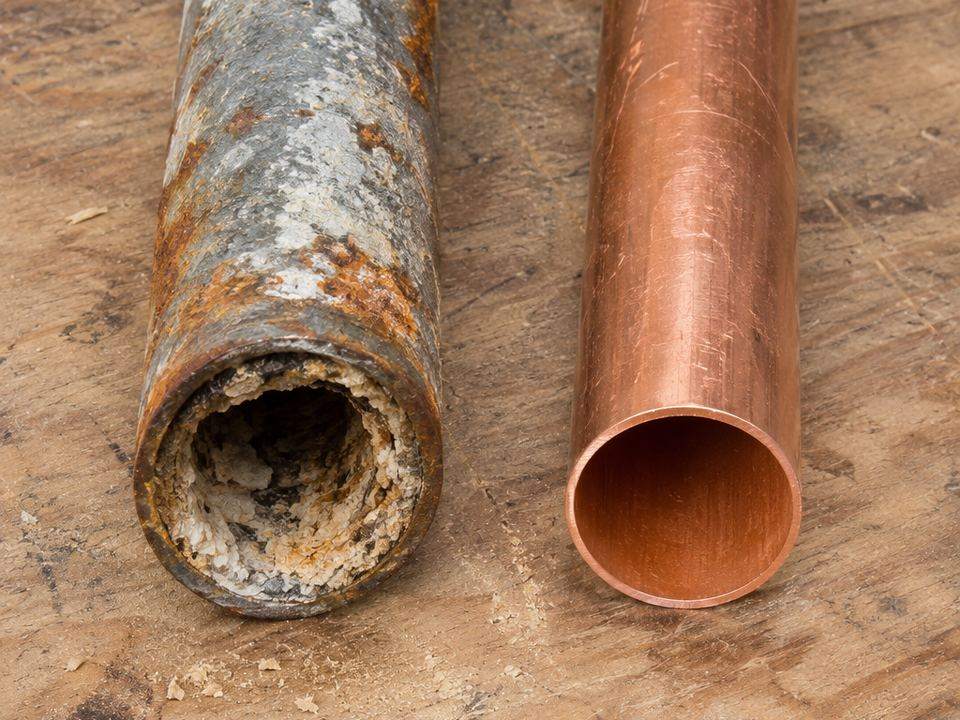
Short answer: repiping means replacing the water supply pipes inside a home, the hot and cold lines that feed sinks, showers, toilets and appliances. It is usually considered when pipes are old, corroded or leaking repeatedly. It is a different job from replacing the main water line that runs underground from the meter to the house, although the two are sometimes done together.
Signs your home may need repiping
- Repeat leaks, including pinhole leaks in copper or more than one slab leak.
- Rusty or brown water, especially when you first turn on the tap.
- Low pressure throughout the house, often from mineral and rust buildup inside old galvanized pipe. See low water pressure in the whole house.
- Visible corrosion on exposed pipes under sinks, at the water heater or in the garage.
- Galvanized steel or polybutylene pipe still in use. Our guide on galvanized and polybutylene pipe explains how to spot them.
Many Gardena homes date from the mid-20th century, when galvanized steel supply pipe was common. Some have been partly updated over the years, so a home can have a mix of materials.
Repair or repipe?
A single leak in otherwise healthy pipe usually just needs a repair. Repiping starts to make sense when leaks keep coming back, the pipe is corroded throughout, or each new repair means opening another wall or floor. Ask the provider to show you what they found and explain why they recommend one over the other.
PEX or copper?
- PEX (cross-linked polyethylene) is flexible, needs fewer fittings, and can often be routed with smaller wall openings.
- Copper is long-established and rigid, and some homeowners prefer it for exposed runs.
Both are widely used. The right choice depends on the house, the route the pipes need to take, local water conditions and the provider's recommendation.
What the job usually involves
- An inspection to map the existing pipes and plan new routes.
- A permit, which repiping generally requires.
- Small openings in walls or ceilings to run new lines, often through the attic in single-story homes.
- Connecting the new lines to fixtures and the water heater, then pressure testing.
- Inspection, followed by patching the openings. Ask whether drywall repair and painting are included.
Water is usually off for part of the work, and a typical home often takes a few days, depending on its size and layout.
Cost factors
We don't publish prices; each provider sets its own. Price usually depends on the number of bathrooms and fixtures, the pipe material, how easy the attic or crawl space is to work in, whether a slab reroute is needed, and how much wall repair is included.
Questions to ask a repiping provider
- Which pipe material do you recommend for this house, and why?
- How many wall or ceiling openings will there be, and who patches them?
- Does the price include the permit, inspection, fixture valves and water heater connections?
- How long will the water be off each day?
- What is your California contractor license number? Check it with the Contractors State License Board.
Repiping FAQs
How do I know if my house needs repiping?
Repeat leaks, rusty water, low pressure throughout the house and old galvanized or polybutylene pipe are the most common signs. A provider can inspect the pipes and explain the options.
Is PEX or copper better for repiping?
Both are widely used. PEX is flexible and can need fewer wall openings; copper is rigid and long-established. The best choice depends on the home and the provider's recommendation.
How long does it take to repipe a house?
A typical home often takes a few days, depending on size, layout and access. Water is usually off for part of each day.
Does repiping require a permit in California?
Repiping generally requires a permit and inspection. Ask whether the provider's price includes them.
Is repiping the same as replacing the main water line?
No. Repiping replaces the supply pipes inside the house. The main water line runs underground from the meter to the house and is a separate job, though both can be done together.
Tired of repeat leaks or rusty water?
Call and describe your pipes and the problems you're seeing. We'll connect you with an independent local provider.